Carrying dreams down Everest
In the thin air above 7,500 meters, where most need rescuing, Ashok Lama becomes the rescuer—showing what it means to lead on the world’s highest peaks.
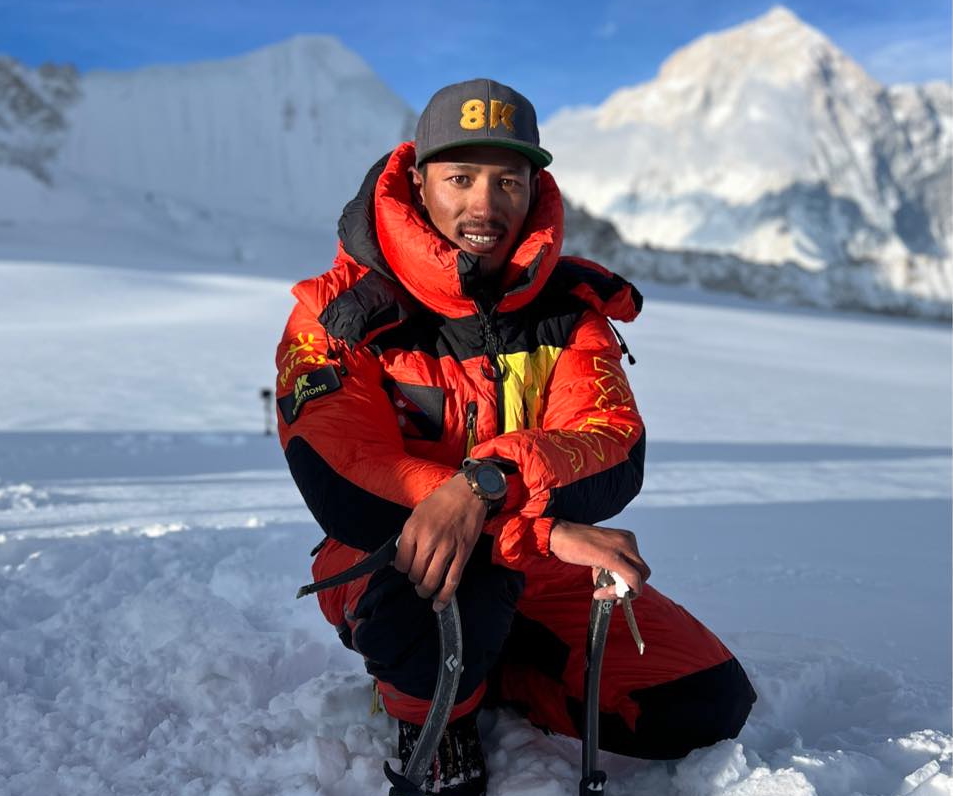
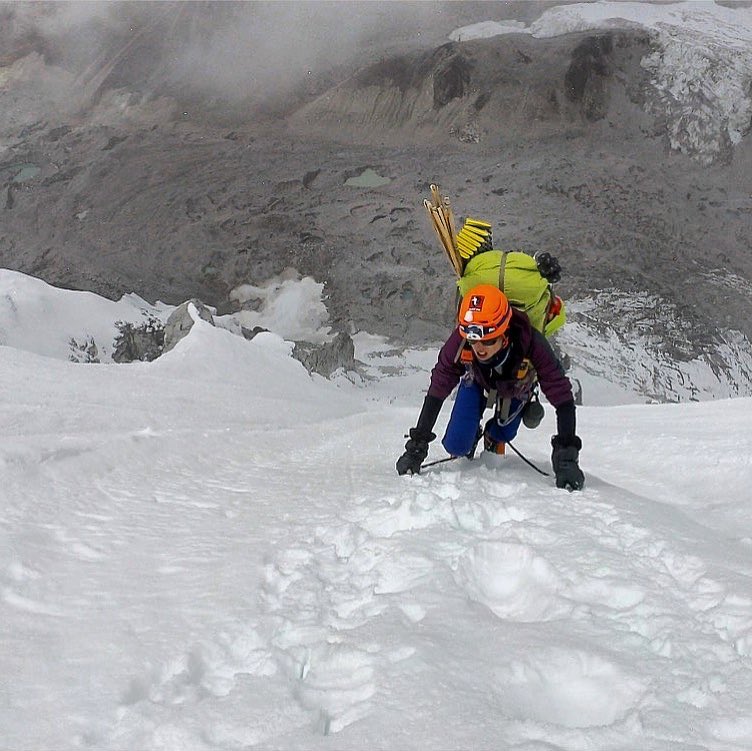
A video making the rounds on social media this Everest season shows a lone figure hauling a climber down a steep, snow-covered slope. The man in the footage, battling both gravity and altitude, is Ashok Lama (Tamang)—a rising star in Nepal’s mountaineering world.
He was bringing down a client, immobilized and unable to continue her ascent of Mount Everest. She had summited Kilimanjaro and Elbrus before, but Everest proved an entirely different challenge.
“It was evening when we reached the Yellow Band. The weather turned rough, and she couldn’t move,” Ashok recalls. “I had no choice but to improvise a way to bring her down by myself.”

At 7,500 meters, such rescue missions typically require at least five experienced high-altitude guides. But Ashok decided to do it by himself as time was of the essence. He asked another climber to record part of his rescue as an explanation for why they had to turn back without summiting.
The signs had been there. The client took 18 hours to reach Camp II—usually completed in 12. After three days of rest, it took another 11 hours for them to reach Camp III, which typically takes 7. “The writing was on the wall,” Ashok says, “but I still held hope. I wanted to support her as much as possible in achieving her Everest dream.”
Although Ashok is no stranger to performing high risk rescues single-handedly at the death zone of Everest.
In 2023, Ashok planned to summit Everest and Lhotse in one push. But just below the Balcony, he stumbled upon Malaysian climber RJ Rajan, barely conscious and frostbitten.
“At first, I thought he was dead. Then I saw him move his hand,” Ashok says.
He gave Rajan oxygen and warm fluids. Ashok decided to help Rajan and so he began hauling him down—without food, alone, in the oxygen-starved air.
“I finally pulled him down up to Camp IV. I was spent by that time. I dragged myself into the tent at Camp IV, and left Rajan about 20 meters behind, hoping he would be rescued from there on,” he says. “If I had pushed myself any further, I would probably have died,” Ashok reflects. Rajan survived—though he lost nine fingers, and part of his nose to frostbite.
Now on path to becoming an IFMGA guide, Ashok's journey to Everest did not follow a straight path. It began with a family tragedy.
Originally from Kavre, he moved to Kathmandu as a teenager to pursue higher education. But when his father passed away, Ashok, still in High School, dropped out to support his younger siblings. A cousin working in trekking field helped him find work at a travel agency. By age 17, he was a porter on the Annapurna Circuit, hauling loads across the Thorong Pass.
“I didn’t know then that those trails would lead me to Everest,” he says.
In 2017, he discovered a new passion through association with others working in the tourism field: indoor wall climbing. Between 2017 and 2019, he was twice runner-up in Nepal’s national sport climbing championships. He soon eyed the big mountains as his next target.

In 2020, he planned to join a mountaineering expedition—only to be grounded by the COVID-19 pandemic. His break came in 2021 when he joined an Everest expedition as high-altitude support. But the climb nearly ended his career.
While descending from Camp IV after dropping oxygen bottles, he felt pain in his foot. “I didn’t think much of it,” he says. Only later did he realize he had frostbite. He was airlifted from Camp II and spent three months recovering.
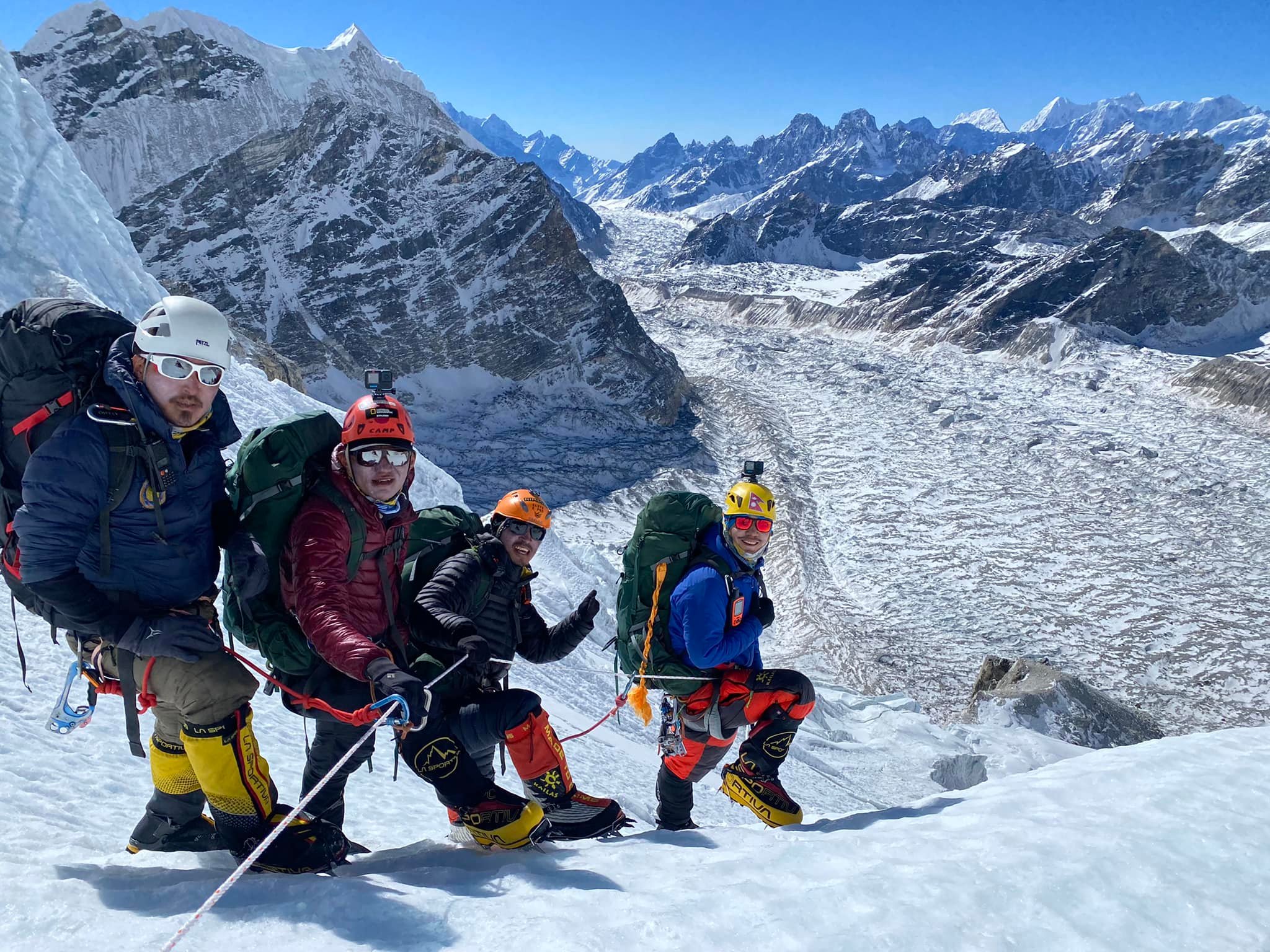
As soon as Ashok recovered, he joined an expedition to Mount Himlung—the first ever organized by 8K Expeditions, a company newly founded by climber Lakpa Sherpa. Ashok joined the rope-fixing team, successfully helped establish the route, and went on to summit the peak twice. He’s been part of 8K Expeditions ever since.

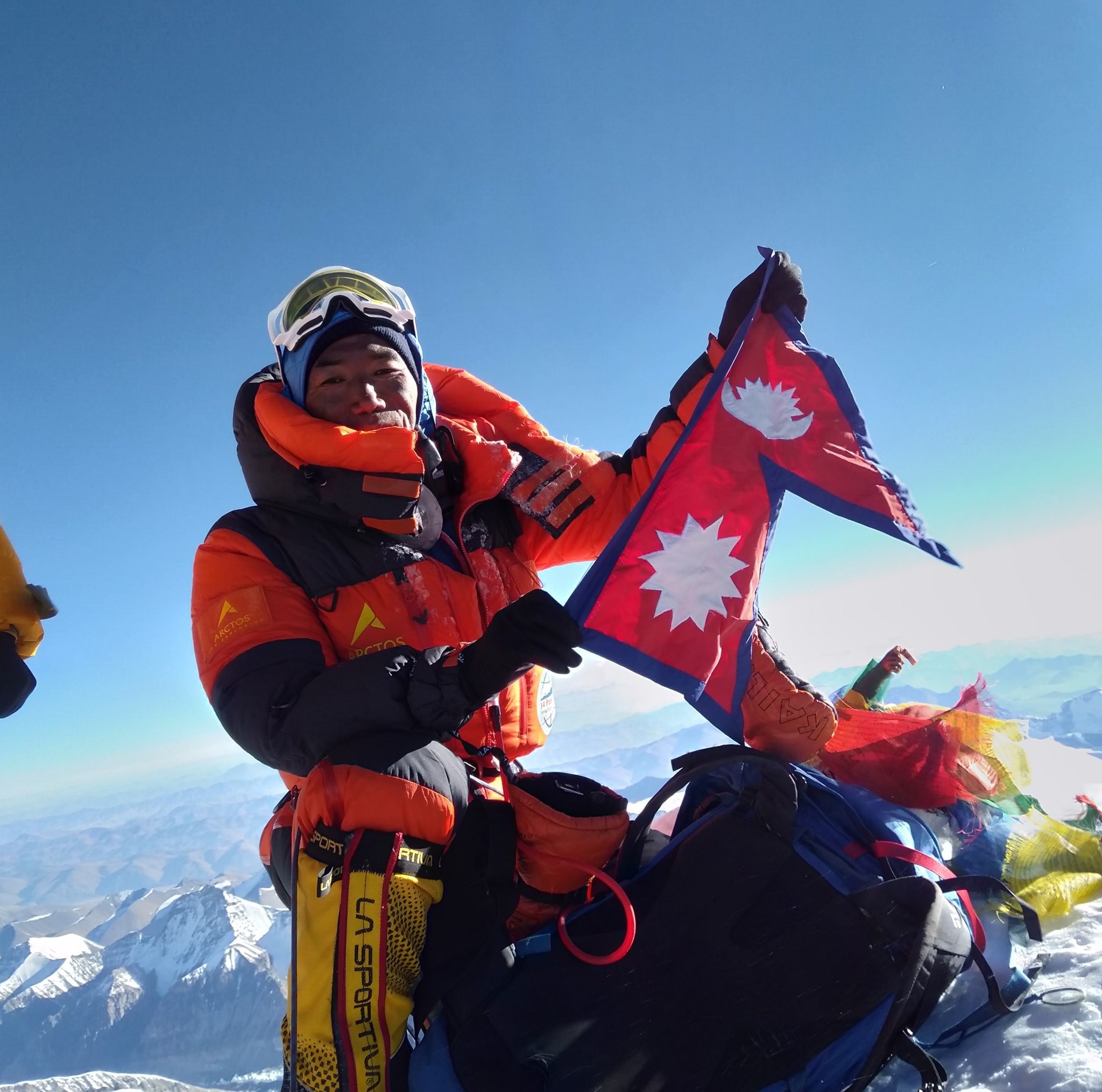
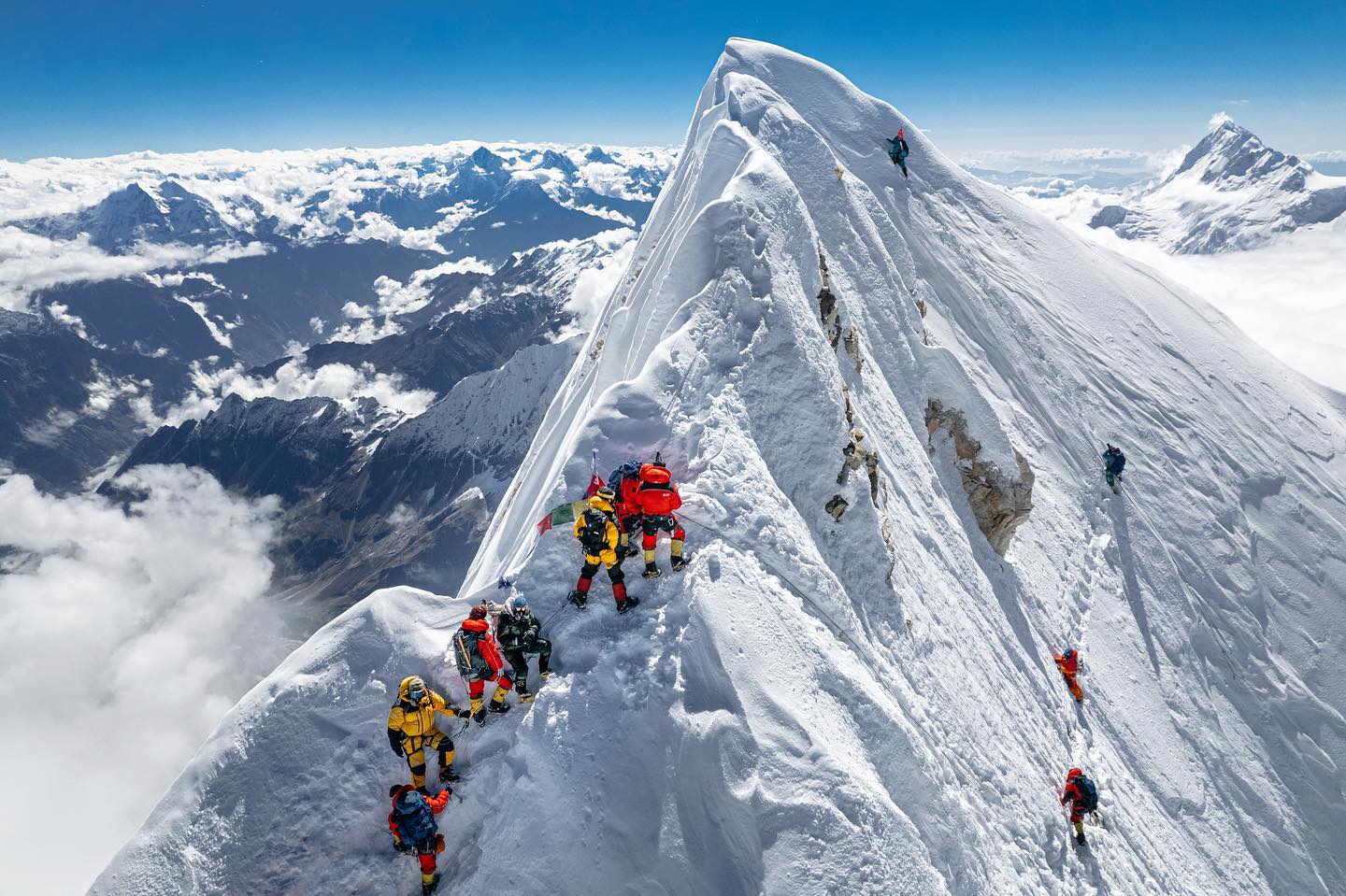
In 2022, Ashok reached the summit of Everest. That autumn, he climbed Manaslu, and in 2023, he added Lhotse and helped fix ropes on K2, navigating its treacherous Bottleneck and black ice sections—jobs usually reserved for only the most seasoned climbers.
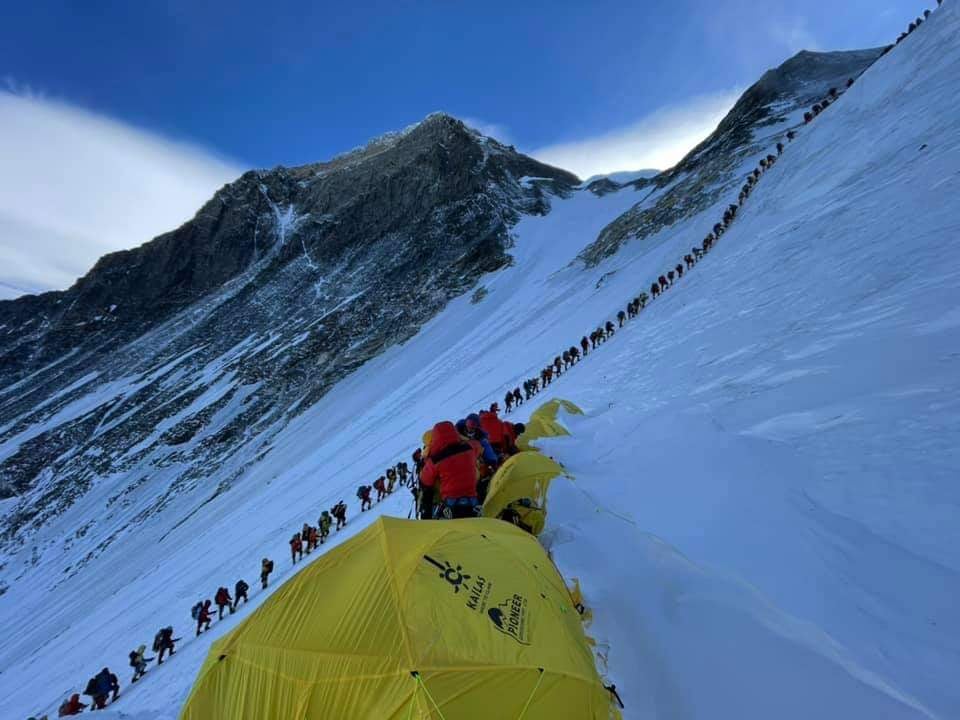
This spring, 26-year-old Ashok was appointed leader of Everest’s rope-fixing team—a high-stakes role that determines the success and safety of hundreds attempting the summit.
“It’s the most responsible job in mountaineering,” he says. “You’re opening the route not just for yourself, but for everyone who dreams of scaling the world’s highest peak.”
His team installed 90 ice screws, 200 snow bars, and 20 rock pitons—a number that may not sound high, but each was placed above 6,400 meters, many in the death zone. Fixing a single ice screw can take over 30 minutes at that altitude, where every movement is slowed by thin air and freezing temperatures. After repeated weather delays, the team finally reached the summit on May 9.

Ashok isn’t interested in records. “I can climb fast. But if I can help others reach the top—of a mountain, of their potential—that’s my summit,” he says.
He has just completed his IFMGA training—a prestigious international certification for mountain guides—and awaiting license. He has established a modest climbing wall in Kathmandu called Gateway Adventure Hub. His ultimate dream is to build a world-class climbing gym and training facility to empower and inspire the next generation of Nepali climbers.
“I want to teach real alpinism,” he says. “Summiting is one thing. Building skills, leadership, and safety—that’s what will take Nepali climbers further.”
As Nepal's mountaineering industry grows, new generation of dedicated, skilled and humble guides like Ashok are the ones who will carry it forward.